Wildlife Ambassador Project: Minimizing Impacts to Wildlife Through Education
- Alycia Renee
- Jan 9
- 4 min read
“Hey folks, just wanted to give you a heads up about bear activity in the area. There’s been a
black bear getting into food hangs up at one of the alpine lakes and we want to make sure
campers are prepared with proper food storage.”
The backpackers pause and turn; surprise etched across their faces.
“Wow, really? On a trail this active I didn’t think there was any chance of bear activity.” Despite their surprise, the small group is not unprepared, and they explain that they have two bear canisters.
“That’s great. Don’t forget to put toothpaste and sunscreen in them too. Anything with a scent.” They thank us and offer waves as they depart. A trio of young people in athletics wear approach and squint up at our canopy.

“Local wildlife? What should we worry about up there?” One of the volunteers acknowledges them somberly. “There’s one animal you’re most certainly going to encounter… and I hope you’re prepared.” The hikers look at one another uncertainly. The volunteer’s somberness melts into a wide smile as he presents a small Pika plushie. “Pika! Have you ever seen one?” The group visibly relaxes, laughing. “They’re members of the rabbit family and make their homes in talus fields.” He enchants them with facts about Ochotona princeps, ending with a reminder that staying on designated trails and keeping pets leashed can help to minimize disturbance and disruption to Pika and all other manner of wildlife. They thank us, take a few “recreate with respect” stickers and head for the trail. As they walk away, I hear them talking excitedly about Pika and “who else” they might see.

In 2023, Conservation Northwest broke ground on an exciting, new trailhead ambassador project within the Mount Baker Snoqualmie National Forest. A collaborative effort between CNW, the Snoqualmie Indian Tribe, the forest service and the Mountains to Sound Greenway Trust, the project aimed to tackle a growing issue: the impacts of outdoor recreation on wildlife and their habitats. It was dubbed the “Wildlife Ambassador Project” and its mission was to equip outdoor recreationists with the skillsets needed to recreate with respect towards wildlife through education and outreach at popular trailheads across western Washington.

Outdoor recreation across public lands in western Washington continues to grow rapidly as the population in the Puget Sound region expands. Outdoor activities continue to gain popularity with younger generations and across all manner of demographics. There is a growing body of research suggesting that, while time spent outdoors can have immense physical and mental benefits to humans, it can also disproportionately disturb and displace the wildlife who depend on these areas for survival.
In 2022, Conservation Northwest partnered with Home Range Wildlife Research to publish a
report on the impacts of recreation to wildlife. The study looked at various species including
ungulates like elk, caribou and mountain goats, predator species like gray wolves, cougars and grizzly bears, and wolverines, fishers, golden eagles and marbled murrelets. While each species reacted differently to recreation, overall, the findings suggested that wildlife responses to recreation (both motorized and non-motorized) were abundantly negative and behavioral changes and patterns of spatial and temporal displacement were documented.
Conservation Northwest and its partner organizations devised a plan to take this information
straight to the public, because exposure is the first step in conservation. Since 2023, the Wildlife Ambassador Project has facilitated over 30,000 engagements with the public and has expanded from one location in the Middle Fork Snoqualmie to three. Each location is managed by a seasonal CNW staff member and a handful of volunteers. These volunteers engage with the public about local wildlife, offering tips for minimizing impact and what to do in encounters with species like bears and cougars. Principles of respectful recreation (i.e. staying on designated trails, keeping food and trash secured, packing out waste and giving wildlife space) are common topics. In its simplest form, the project exposes people to the idea of wildlife on or around trails. Many folks are shocked to learn that animals like pika or marmots exist or that bears can be found in areas of high recreation use. Each location is equipped with materials to assist in the outreach process. Informational brochures on species, bear identification quizzes, photo books of local wildlife and whiteboards for reporting sightings are some of the well-received tools. In the 2026 season, Spanish translations of some of the materials will be added to each location.
The desired outcomes of the Wildlife Ambassador Project are trifold:
To reduce disturbance and displacement of flora and fauna
To prevent human-wildlife conflict while supporting sustainable recreation access
To eliminate negligence around securing food and trash in wildlife habitat

While still a relatively new endeavor, the project has already seen some great successes including no reported bear-human conflicts in the Middle Fork Campground (an area that, historically, was closed due to conflict from food conditioning).
The future of the Wildlife Ambassador Project almost certainly includes expansion, both in
geographical range and in overall reach. Reducing the impact of outdoor recreation to wildlife, while supporting sustainable access is no easy feat and will continue to take creative solutions as well as partnerships.
“…Ambassadors can so clearly make the connection between the people that visit these trails and trailheads to the wildlife that call them home, and people are immediately aware of their impact on and connection to the natural environment. It is through trusted partnerships that Conservation Northwest can work with a broad coalition including Tribes, nonprofits, and land managers, to create such an impactful program like the Wildlife Ambassador Project.”
-Caroline Villanova, Mountains to Sound Greenway Trust, National Heritage Area Senior Manager

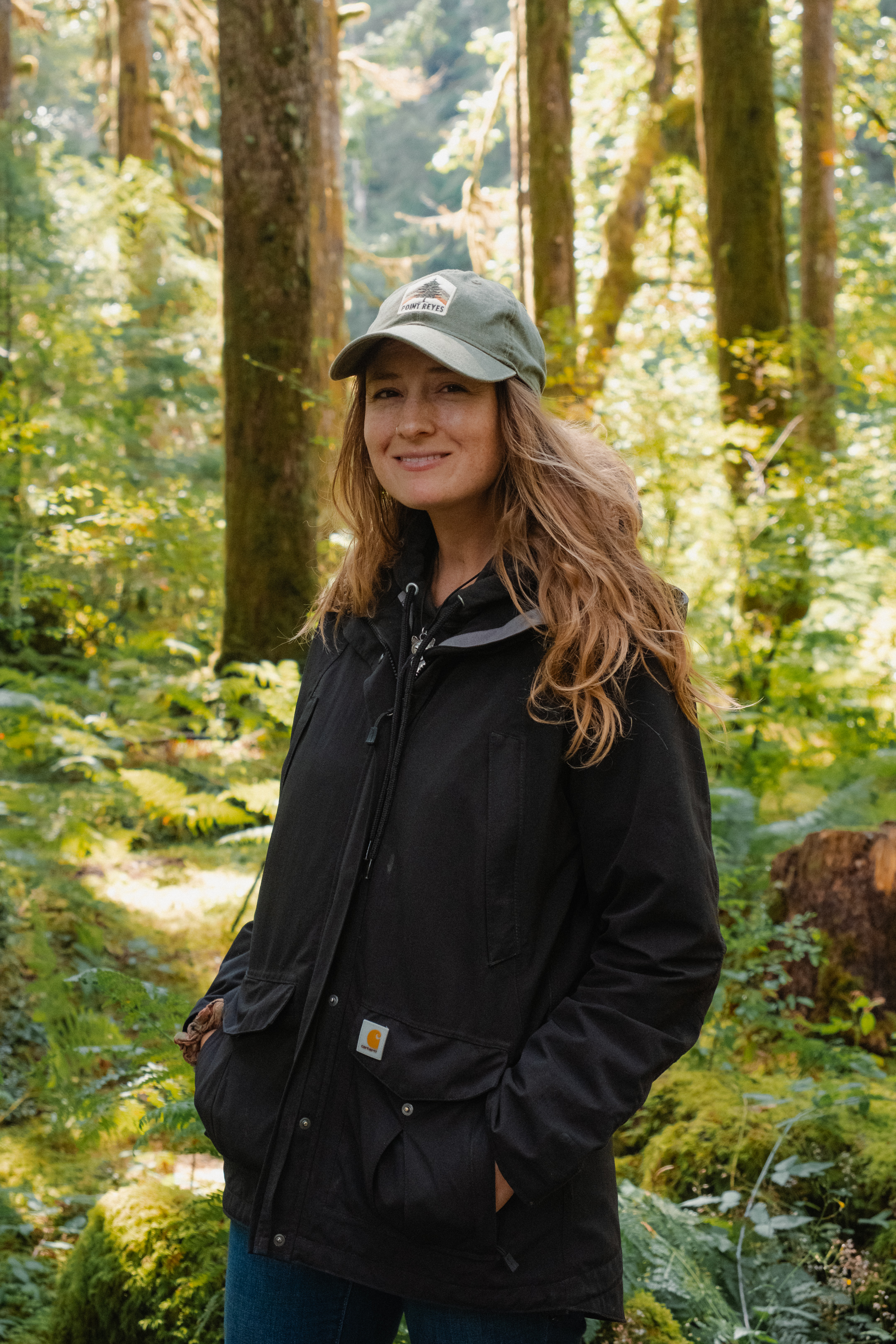
"Alycia Scheidel is a wildlife ecologist, educator and photographer who works on wildlife
coexistence in communities across the state of Washington. She leads the Wildlife
Ambassador Project, a trailhead ambassador program aimed at equipping outdoor
recreationists with skillsets needed to recreate mindfully and with respect towards
wildlife. In partnership with the Washington Department of Fish and Wildlife, she also
conducts bear education in communities throughout the northwest.
In addition to her passion for education, Alycia loves photography, particularly remote
camera trapping, and wildlife tracking. For many years she has documented the
behaviors and secret lives of bears, cougars, and all manner of creatures in the forests
near her home in the Snoqualmie Valley."
Instagram: alyrenwildlife


Comments