Happiness in misery
I was talking with a friend the other day about our wildlife photography experiences. We were having a great chat about the places we had traveled to, and the wonderful things that we had seen. While in this conversation it dawned on me that my favorite stories involved extremely uncomfortable or darn right miserable living conditions.

Let us start off by talking about what I mean when I say happiness in misery. None of these experiences were life threatening or involved me in any real danger. However, most of them do involve being incredibly uncomfortable, or feeling not good about part of the trip leading up to the experience that changed it. Sometimes this might have been weather, people or wildlife related. Either way pushing through the uncomfortable parts of the trip is what led me to many of the best moments in my career as a photographer.

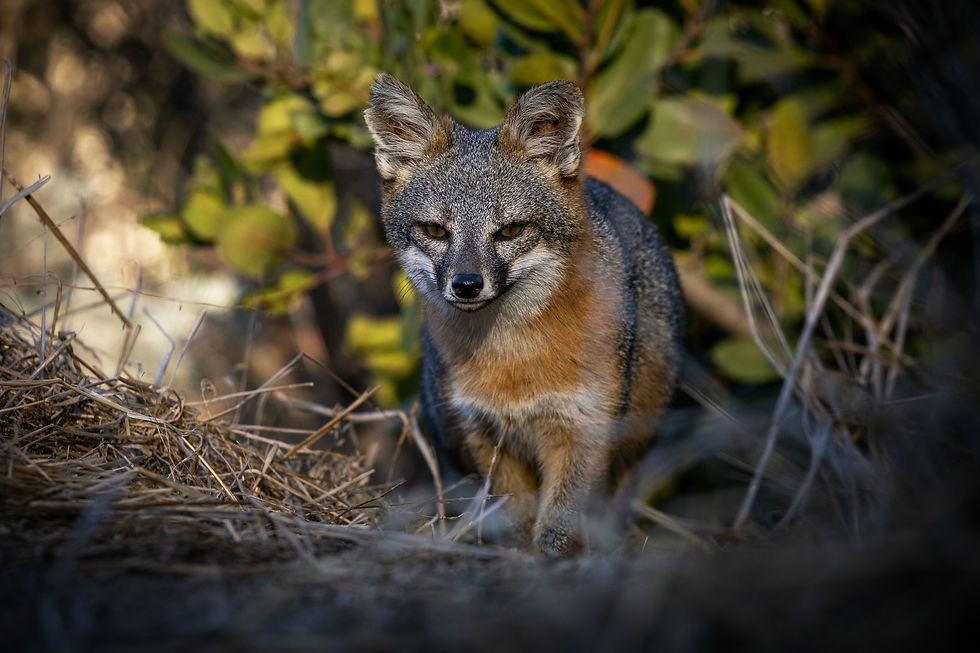
An example of this misery would be a recent trip to Santa Rosa Island, part of the Channel Islands National Park. It started the morning I left for the island. The scratch in my throat the day before had turned into a miserable cold, and I was about to leave all civilization for the next five days. I got up early, went to the only grocery store that was open and stocked up on cold medicine to bring with me to the island. Medicine in hand I boarded the ferry that would take us on the three-hour journey ahead. The crossing was fun with large swells. We had been warned in an email the night before that conditions may be too rough to go out that morning. A couple of people did not do well on the trip and lost their breakfasts over the aft end of the ship. I did ok, I do not get seasick luckily, but my cold did not help things on the trip.

Upon arrival at the island, we then had to hike to our campsites about a mile and a half away. I must admit I was not in the best shape of my life when I started this trip and carrying the seventy pounds of gear, I had brought with me made for a long trip to camp. There was no shade along the hike, and the mid-day sun was hot! I did take a couple stops to catch my breath since my lungs were full of crud from the cold. As I began the hike up a small hill and into the valley the campsites were in, I felt my first real gust of wind. A foreshadowing of the perpetual destructive winds to come. Each site has a wind break built to shelter campers from the wind, and after five days there I would know why.

I got to my site set up camp by now, it was around five in the evening. Dinner was the finest of dehydrated meals that evening with instant horchata coffee. I had not seen a single Island Fox at this point, which was the whole reason for the trip. I wandered around my camp site and talked with a group of pilots on a backpacking trip. I made friends with them on the boat ride over. It was getting near seven now and it was time for my next dose of cold medicine. My head was pounding I could no longer breathe through my nose. I took my medicine and chugged a liter of water before crawling into my tent to lay down for a few minutes. I quickly realized I should just go to sleep and see how I feel in the morning. At this point I was feeling miserable and wondering if I should leave the island early or if I had made a mistake coming out here.

Around 4 am I woke up needing to pee so intensely. The liter of water I had finished off just before bed did not seem like such a promising idea now. I struggled to get out of the tent, I did not even bother putting on socks or boots, and I knew I was not making it to the bathroom. I found a nearby lemonade bush and used that to hide behind as I relieved myself. It was pitch black outside, windy and cold that morning. I was covered in dust from the winds blowing fine particles of powder into my tent all night. I had not slept well that night, waking every few hours choking on the dust that was mixing with the mucus in my lungs. As I stood there peeing on a bush freezing and coughing up dust I looked up and saw the milky way overhead. Clouds of interstellar dust illuminated by stars and cosmic radiation. Brilliant pinpoint stars covering the sky in seemingly infinite numbers. I could see the constellation Orion just starting to make its appearance on the horizon and the brilliant nebula it contained within. It was at that moment that I found my happiness in the misery of that experience. I was alive I was on an Island in the pacific I was looking at this beautiful sky above what more could I want or need!


With my new found inspiration I felt invigorated and ready to go. I made breakfast and got dressed, I planned to hike as far that day as I could. I figured if I was here, I might as well make the best of it. I left camp before sunrise and hiked down to the beach where I watched the sun rise over the nearby Santa Cruz Island. I started hiking around seven in the morning and returned to camp at almost five that evening. I covered almost eighteen miles that day and saw so many different eco systems that existed on the island. Even managed to see rare pine trees and pristine Snowy Plover habitat. Over the next five days I covered almost fifty miles of trails on the island and saw so much. My cold got a little better each day and by the end of the trip I had lost 10lbs and my seventy pounds of gear no longer felt like the burden it had upon arriving at the island. I had truly found happiness on that island in those moments and experiences. I have so many of these stories from my trips, and anymore I look forward to the hiccups or surprises that travel brings. It makes the story that comes from it even more savory. I hope that this small story will inspire others to take the chance to be uncomfortable to follow your dreams and passions!


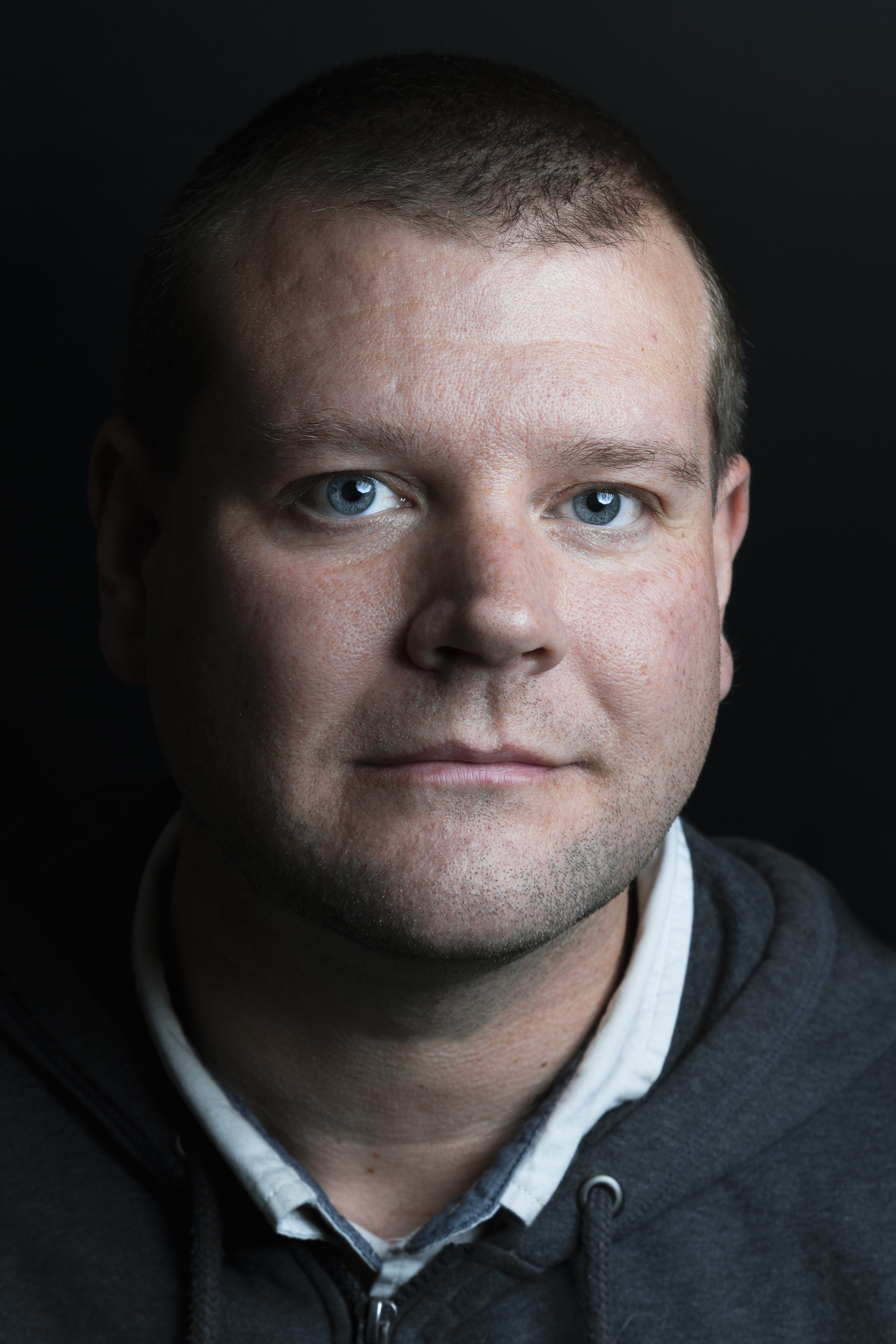
Christopher Brinkman is the founder of the Owl Police. A published conservation and wildlife photographer working in the field since 2013. He has a passion for Owls and doing public outreach. He spends a lot of his time working with communities involving human wildlife conflicts involving predators. He has been volunteering in wildlife rehab for seven years, specializing in raptor re-nesting and reuniting. A member of the Canid Project, he has also assisted in reuniting orphaned foxes with their families. A self-taught photographer has opened pathways to help the species he cares deeply about.
Website: www.ChrisBrinkman.com
Instagram: Brinkmanph
Email: Christopher@theowlpolice.com


Comments